
TECOM Group | Master Developer in Dubai
TECOM Group AE functions as a master developer and district operator in Dubai under Dubai Holding, managing a portfolio of mixed-use communities across the city. Its districts include Barsha Heights, Dubai Internet City, Dubai Media City, Dubai Knowledge Park, and Dubai Design District, where business, residential, and commercial activities on a daily basis.
The group oversees land use planning, infrastructure coordination, and community-level regulation within defined zones. More than 1000 registered companies operate within TECOM-managed areas and create sustained employment-driven demand.
Residential buildings in approved locations allow freehold ownership through the Dubai Land Department registration. TECOM Group focuses on long-term usability, operational continuity, and economic relevance across development cycles.
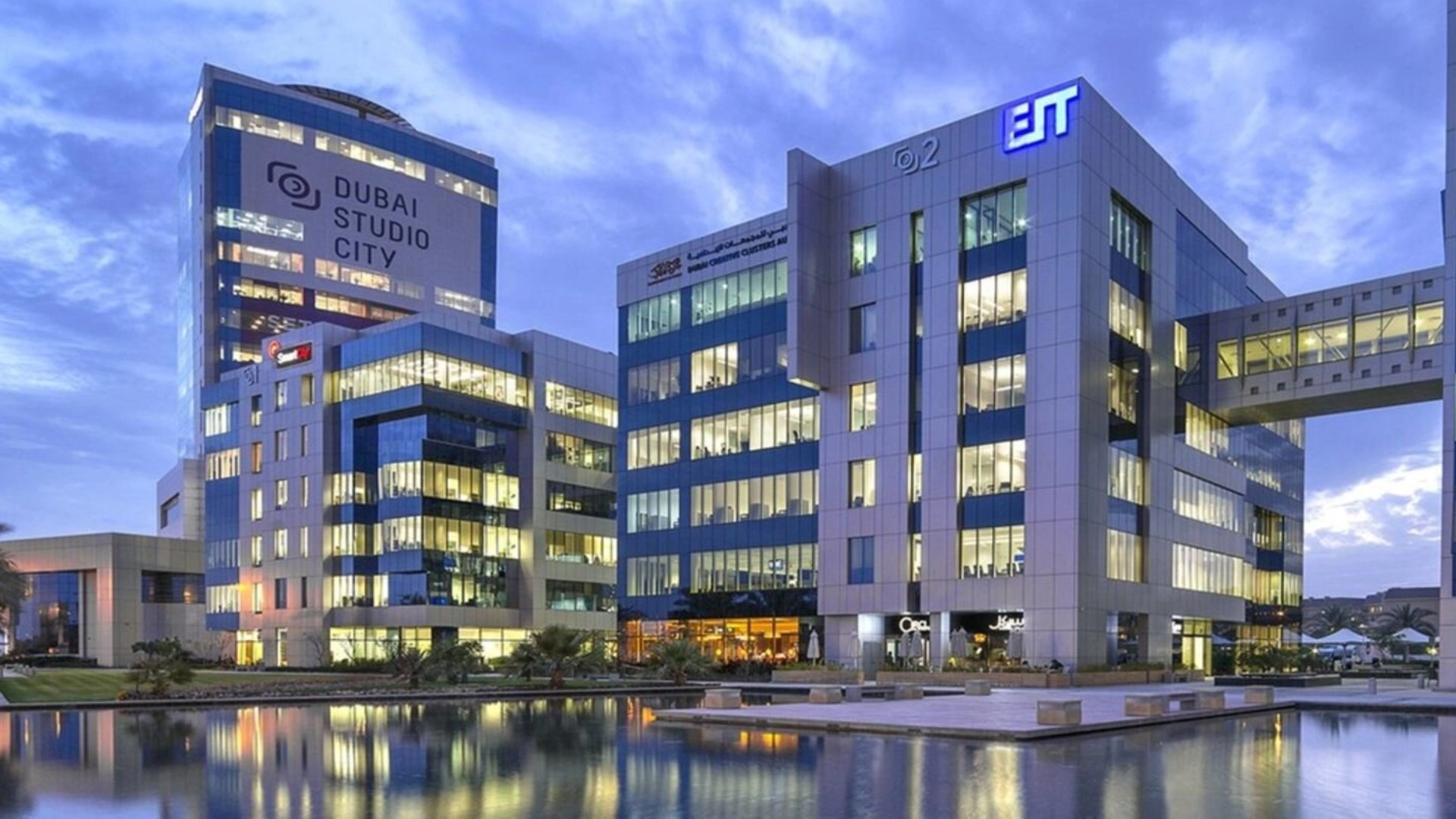
TECOM Group AE Market Performance
Tecomgroup addresses this concern through a district model that has operated in Dubai since 1999 and supports knowledge-based economies. The group manages ten business districts across locations such as Dubai Internet City, Dubai Media City, Barsha Heights, and Dubai Design District.
Official disclosures for 2025 confirm that more than 12,200 customer companies operate within these districts and support over 137,000 professionals. This scale creates steady occupancy and predictable usage rather than speculative demand forms.
Leadership under Chief Executive Officer Abdulla Belhoul operates within a structured decision process aligned with Dubai Holding oversight and centers on steady management choices that protect district function over time.
The development approach places emphasis on practical mixed-use environments where workplaces, homes, and shared services grow in coordination and remain usable in everyday conditions rather than relying on visual appeal alone.
TECOM Group Key Projects in Dubai
TECOM Group builds its communities in areas that already play an active role in the city rather than on empty plots waiting for future demand. Business activity, housing, and daily services develop together and give each district a clear purpose from the start. This logic also guides off-plan projects by TECOM Group, where new buildings take shape next to functioning workplaces and established infrastructure. What follows are districts that people already use every day and continue to rely on as the city grows.
Dubai Internet City TECOM Group Community
Dubai Internet City (DIC) hosts one of the most significant technology business clusters in the region and operates as a commercial-led district. Residential supply around the area remains limited, which supports rental performance stability.
Market records show consistent leasing demand tied to office employment rather than market cycles. Typical residential assets here show mid-range rental yields driven by long-term tenants.

Dubai Media City TECOM Group Community
Dubai Media City serves regional media and content firms, maintaining steady office occupancy rates over time. Nearby residential projects benefit from predictable tenant profiles linked to media employment supports.
Investor activity here favors income continuity over rapid resale appreciation. ROI patterns remain moderate but stable according to area-level transaction data.
Barsha Heights TECOM Group Community
Barsha Heights has grown into a practical urban area where housing and workplaces sit close enough to support daily routines. Apartments here appeal mainly to people employed in nearby business districts who value short commutes and reliable transport access.
Dubai Land Department (DLD) data shows regular transaction activity without sharp price swings, which points to a market shaped by use rather than speculation. Leasing patterns remain steady because many residents renew rather than move often. Rental returns usually stay close to the city's average, and vacancy levels remain manageable due to consistent employment nearby.
Dubai Design District TECOM Group Community
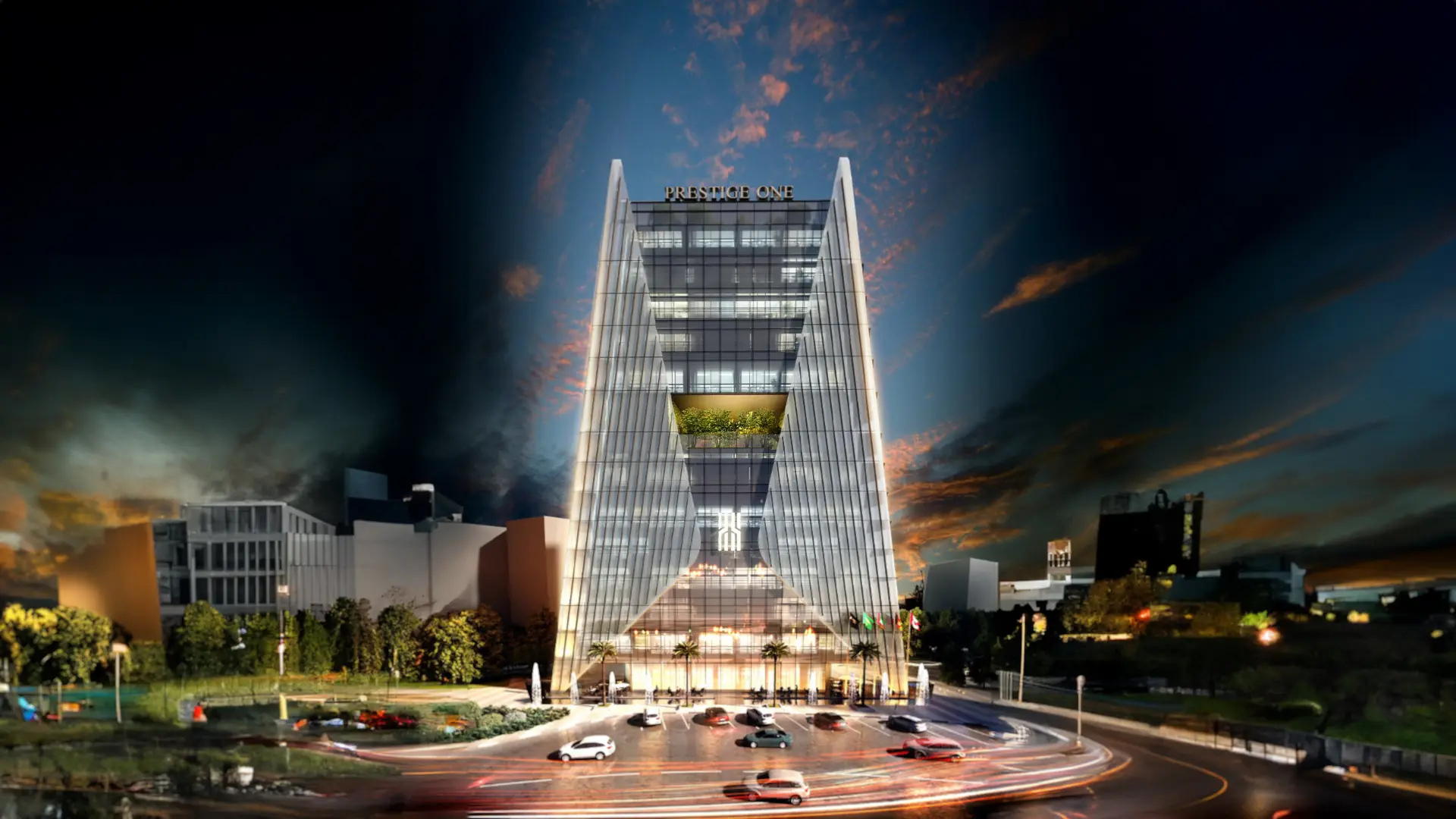
Dubai Design District (D3) was developed with a clear purpose centered on creative industries and professional studios. Residential options stay limited by planning choice, which slows supply growth and avoids sudden competition.
Buyers often approach this area with a longer view and link value to the gradual expansion of the design sector rather than quick rental gains. Performance here depends more on how the district evolves over time than on short-cycle demand.
|
Community Profile |
Demand Driver Base |
Investor Risk Level |
|
Dubai Internet City |
Technology Employment Hub |
Moderate Risk Profile |
|
Dubai Media City |
Media Corporate Base |
Lower Vacancy Risk |
|
Barsha Heights |
Mixed Use Demand |
Stable Yield Pattern |
|
Dubai Design District (D3) |
Creative Industry Growth |
Long Term Upside |
TECOM Group AE vs Other Major Developers
TECOM, Nakheel, and Meraas operate at a similar scale in Dubai, but their roles inside the city differ in practice. An important point is that TECOM Group, Nakheel, and Meraas are all part of Dubai Holding, but each operates with a different role inside Dubai’s urban development strategy and focuses on a distinct type of community and demand.
TECOM Group focuses on districts built around employment. Its areas such as Barsha Heights and Dubai Internet City combine offices, housing, and services to support daily working life. Demand here usually follows job concentration and long-term occupancy rather than lifestyle trends.
Nakheel develops large residential communities shaped around housing volume and infrastructure. Areas like Jumeirah Village and Palm Jumeirah rely more on population growth, tourism, and second-home demand. Price movement often links to broader market cycles and buyer sentiment.
Meraas, part of Dubai Holding, concentrates on lifestyle-driven urban districts. Projects such as City Walk and Bluewaters integrate retail, leisure, and residential uses, with demand influenced by location appeal and consumer activity.

Investment and ROI Analysis for TECOM
Looking at TECOM Group from an investment angle, the picture becomes clearer once actual operating numbers are considered. In 2025, the group reported more than AED 2.1 billion in revenue and over AED 1.1 billion in net profit within nine months.
These figures matter because they come from ongoing leases and land use, not one-time sales. Occupancy across commercial assets stayed close to 96 percent, while land lease areas reached about 98 percent, which shows tenants are not leaving when market conditions change.
TECOM Group Dubai Conclusion
Verified figures from 2025 show that TECOM Group districts maintain high occupancy and steady usage, which confirms that value here forms through daily function rather than market noise.
This situation matters to buyers who want to understand what they are stepping into before signing anything. Areas backed by real workplaces and clear planning rules tend to hold demand more reliably than locations driven by expectations that may or may not materialize later.
At Kotook, decisions start with facts, not promises. Each consultation looks at real ownership records, recent transactions, and how districts actually perform. This free session helps you clarify options, reduce uncertainty, and avoid costly mistakes. If you plan to buy off-plan projects in Dubai, this conversation often changes how and when you move forward.


