

Dubai Holding Investment Insight
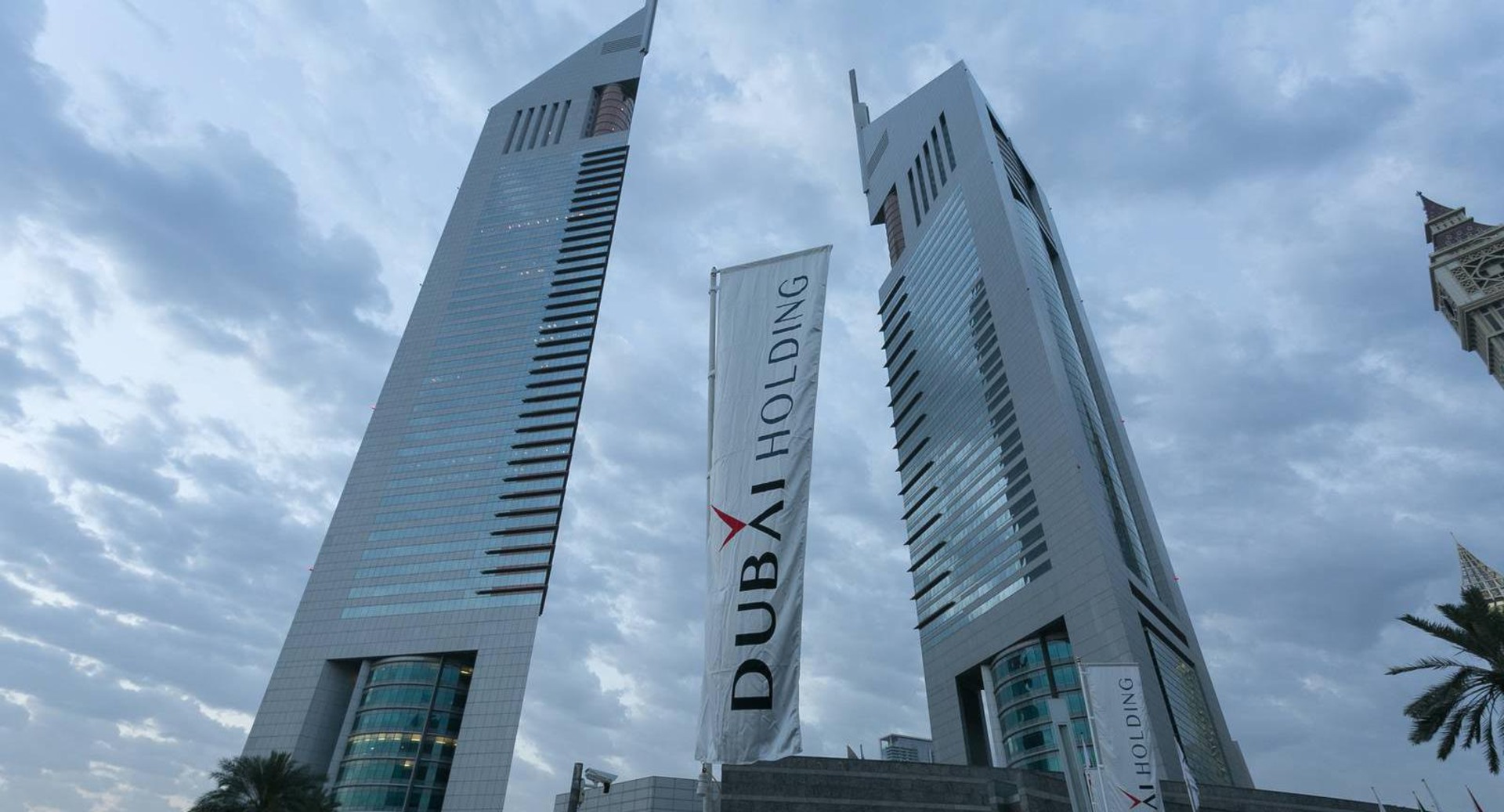
Dubai Holding was formed in 2004 as part of a broader effort to manage Dubai’s growth in a more structured, long-term manner. In real estate, it does not operate like a sales-driven developer.
Most of Dubai Holding Company’s developments sit within larger districts planned years in advance, with roads, utilities, and public spaces developed alongside housing. This planning model is one reason many of its communities feel settled rather than transitional.
A large share of residential units is registered as freehold with the Dubai Land Department, which gives overseas buyers full ownership rights. Over time, this has shaped Dubai Holding LLC's reputation as a measured, institution-led participant in the property market, rather than a speculative one.
Dubai Holding Company Performance
Amit Kaushal is the CEO of Dubai Holding UAE. During the first half of 2025, more than 125,000 property transactions were officially registered across the city, with deal values reaching roughly AED 431 billion. Those figures point to continued demand, yet they also reflect a market where performance varies widely by area and by developer, rather than moving in a single direction.
Within this environment, communities developed under Dubai Holdings Group have tended to move more evenly, with resales continuing and prices adjusting gradually rather than abruptly.
That pattern is closely linked to long-term master planning and delivery discipline. For many buyers, this has shaped Dubai Holding investment into a choice defined by stability and predictability, not short-term speculation.
Dubai Holding Projects
Dubai Holdings works through a group structure rather than acting as a single builder. Three developers carry out its real estate activity, each focused on a different type of urban environment. Nakheel develops large, long-term residential communities where people are expected to live for years, not just invest and exit.
Dubai Properties focuses on dense urban and waterfront districts with established rental demand. Meraas develops lifestyle destinations where homes sit alongside retail, leisure, and public spaces. Together, these developers shape complete neighborhoods, not isolated projects.
Al Furjan (Nakheel)
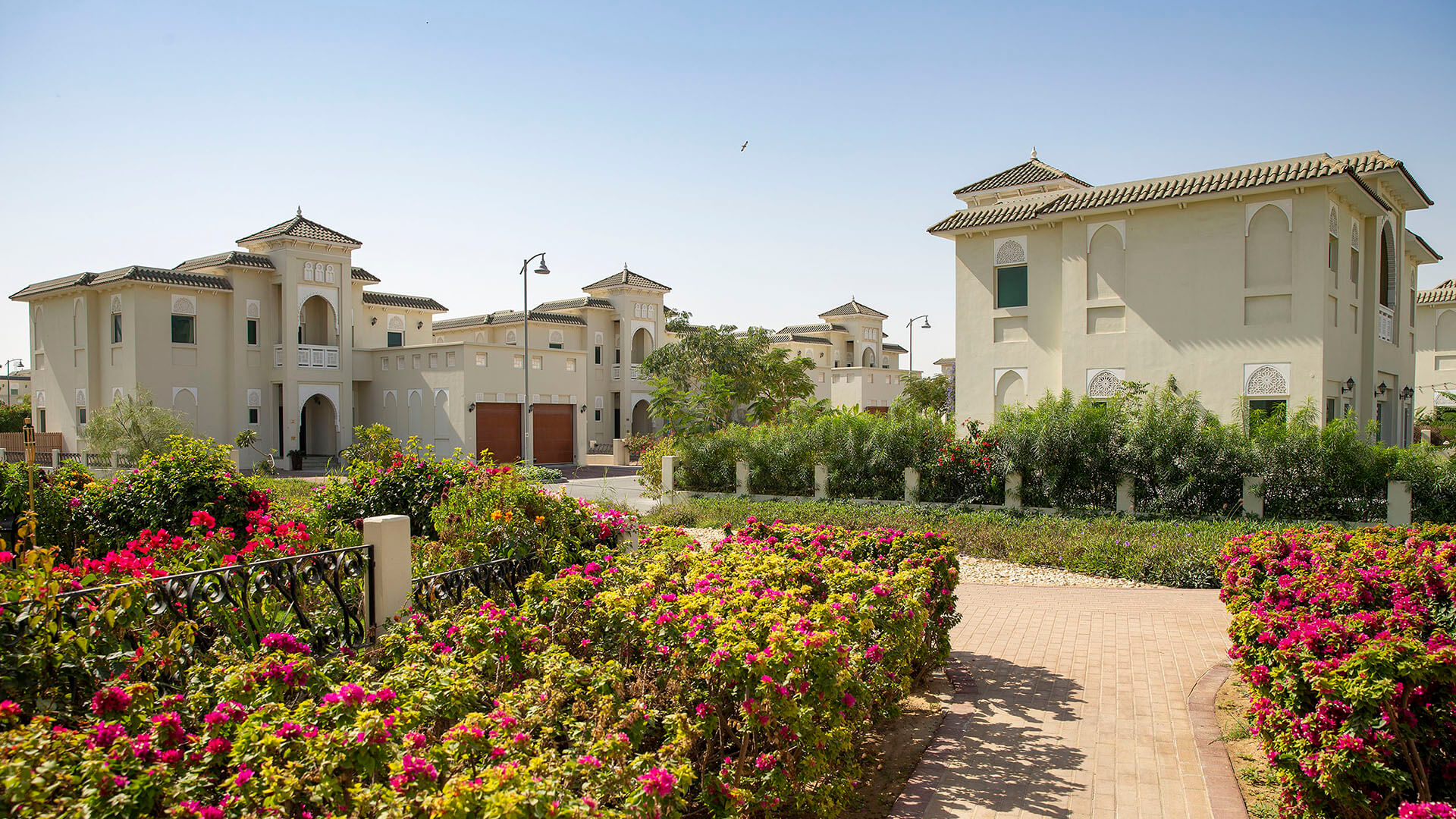
Al Furjan is a large residential community in the Jebel Ali area developed by Nakheel Properties. It covers about 560 hectares and combines villa clusters, townhouses, and low‑rise apartment buildings, creating a suburban neighborhood rather than a high‑density tower district.
Most units here are sought after by families and long‑term tenants thanks to more affordable price points than in coastal districts. Being close to Ibn Battuta Mall and Expo 2020 infrastructure adds practical value to the lifestyle.
Starting prices for apartments can be near AED 600K, while larger villas often begin above AED 4 M, appealing to residents rather than speculative flippers.
Jumeirah Village Circle (Nakheel)
JVC is one of the largest master‑planned communities developed by Nakheel, structured around internal parks, schools, and community services. It includes a mix of apartments and townhouses that remain in demand due to relative affordability and neighborhood feel.
Recent pricing data shows studio units averaging AED 600K to 900K, 1‑bedroom units around AED 625K to 1M, and 2‑bedrooms often between AED 7K to 2M, with larger villas commanding higher values.
Rental demand is generally consistent because the area is attractive to families and professionals looking for longer leases, making it one of Dubai’s more liquid residential districts.
Jumeirah Beach Residence (Dubai Properties)
JBR is one of those areas in Dubai that doesn’t need explaining to locals. It runs along about 1.7 kilometers of beachfront and was developed by Dubai Properties years ago, which is why it already feels settled.
There are roughly 6,900 apartments spread across the towers. Smaller one-bedroom units usually start just above AED 1.3 million, while two-bedrooms often sit closer to AED 3 million, depending on view and condition.
People rent here because they want the beach, cafés, and Marina next door. It’s not flashy growth, just steady demand, similar to what buyers look for in off-plan projects by Dubai Holdings when stability matters more than hype.
Bluewaters Island (Meraas)
Bluewaters Island is a mixed‑use island development built by Meraas Holding on reclaimed land off the JBR coast. It is anchored by Ain Dubai and includes apartments and penthouses integrated with entertainment, retail, and dining.
Typical asking prices for 1‑bedroom apartments on Bluewaters start near AED 3.12 million, 2‑bedrooms around AED 5.92 million, and 3‑bedrooms often above AED 9 million.
Rental yields here have been reported in the ballpark of approximately 8 %, reflecting strong lifestyle demand but higher entry costs compared with more inland options.
|
Community |
Developer |
Starting Prices |
ROI |
|
Al Furjan |
Nakheel |
Apartments from AED 600K Villas from AED 4M |
6–7% |
|
Jumeirah Village Circle (JVC) |
Nakheel |
Studios AED 600K–900K 1-bed AED 625K–1M 2-bed AED 7K–2 M |
7–8% |
|
Jumeirah Beach Residence (JBR) |
Dubai Properties |
1-bed from AED 1.3 M M+2-bed around AED 3 M |
5–6% |
|
Bluewaters Island |
Meraas |
1-bed from AED 3.12 M 2-bed around AED 5.92 M 3-bed AED 9 M |
8% |
Investment Performance of Dubai Holding Real Estate
When we talk about Dubai Holding investment and its real estate performance from 2022 to 2025, we are really talking about a group that manages some of Dubai’s largest master‑planned communities; Dubai Holding companies list of companies includes Nakheel, Dubai Properties, and Meraas under one strategic platform.
Together, they represent over 15,000 hectares of master‑planned communities and more than 106,000 delivered residential units where roughly 740,000 people live and invest today.
Over these years, the broader Dubai real estate market has demonstrated steady pricing strength and rental demand, and Dubai Holding’s communities tend to reflect those broader fundamentals. For example, Dubai’s residential sector maintained average gross rental yields near 6.8% in mid‑2025, a level regarded as competitive globally and attractive for income‑oriented investors.
Master-planned, large-scale communities under the Dubai Holding UAE umbrella tend to perform differently from smaller, isolated developments. Because infrastructure, utilities, and public amenities are phased in early and comprehensively, communities experience fewer late‑stage construction delays and are less prone to delivery extensions, one of the biggest risks in off‑plan buying. This doesn’t eliminate all risk, but it does tend to reduce uncertainty for buyers planning for medium‑ and long‑term holding.
Dubai Holding Company vs Other Major Developers
When people talk about Dubai real estate, Emaar, Damac, Nakheel, and Meraas (the latter two under the Dubai Holding Real Estate umbrella) are frequently at the top. What sets them apart is the scale of projects, price positioning, and investor focus.
Dubai Holdings Group (Nakheel, Meraas, Dubai Properties) manages large master‑planned communities with infrastructure, parks, and neighborhood facilities integrated from the start. These ecosystems often produce steady rental demand and stability for long‑term holders rather than short‑term speculative gains. Properties in Palm Jumeirah by Nakheel have broad appeal for residential living and tourism‑driven occupancy.
Emaar Properties is one of the largest independent developers in Dubai by sales value and project volume, delivering landmark, mixed‑use projects such as Downtown Dubai, Dubai Hills Estate, and Emaar Beachfront. Emaar’s large, recognizable communities attract both homeowners and investors seeking long‑term growth and solid brand confidence.
Damac Properties focuses more on luxury‑branded residential projects and high‑end, high‑amenity towers. Its product mix is often positioned at a premium price point and tilted toward lifestyle and investor demand in the luxury segment. Some Damac communities deliver higher short‑term rental yield potential because of brand partner attractions and themed developments.

Why Dubai Holding Remains a Reliable Developer in Dubai
Dubai Holding doesn’t rush. It builds slowly, on large pieces of land, and it plans years ahead. That’s why its communities don’t feel experimental. Places like Al Furjan or JVC weren’t built to flip quickly; they were built to work over time.
This mindset comes from the top. Dubai Holdings CEO Amit Kaushal runs the group more like an asset manager than a sales machine. The focus stays on delivery, infrastructure, and long-term occupancy, not headlines.
For buyers looking to buy off-plan property in Dubai, this matters. Dubai Holding projects usually attract residents who stay, rent long-term, and keep demand steady. That’s not exciting, but it’s reliable, and reliability is what protects capital.
Investment decisions deserve expert insight, not pressure. Talk to Kotook for a free consultation and evaluate the properties with clarity.


