

GJ Properties Ajman Review
GJ Properties operates from Ajman and focuses on residential towers placed in growing zones like Al Ameera Village and Al Helio, where projects such as Ajman Pearl Tower and Gulf Tower shape everyday apartment living.
The developer, led by CEO Ali Jaber, presents a vision centered on steady growth, practical design, and gradual sustainability goals based on information published on the official website.
Over more than a decade of activity, the company has delivered several buildings while continuing new launches aimed at long-term residents rather than short-term speculation.
Many non-Emirati buyers who usually compare opportunities to buy off-plan projects in Dubai begin to look at Ajman because the pricing structure, road links toward Sharjah, and consistent rental demand offer a different type of market entry.
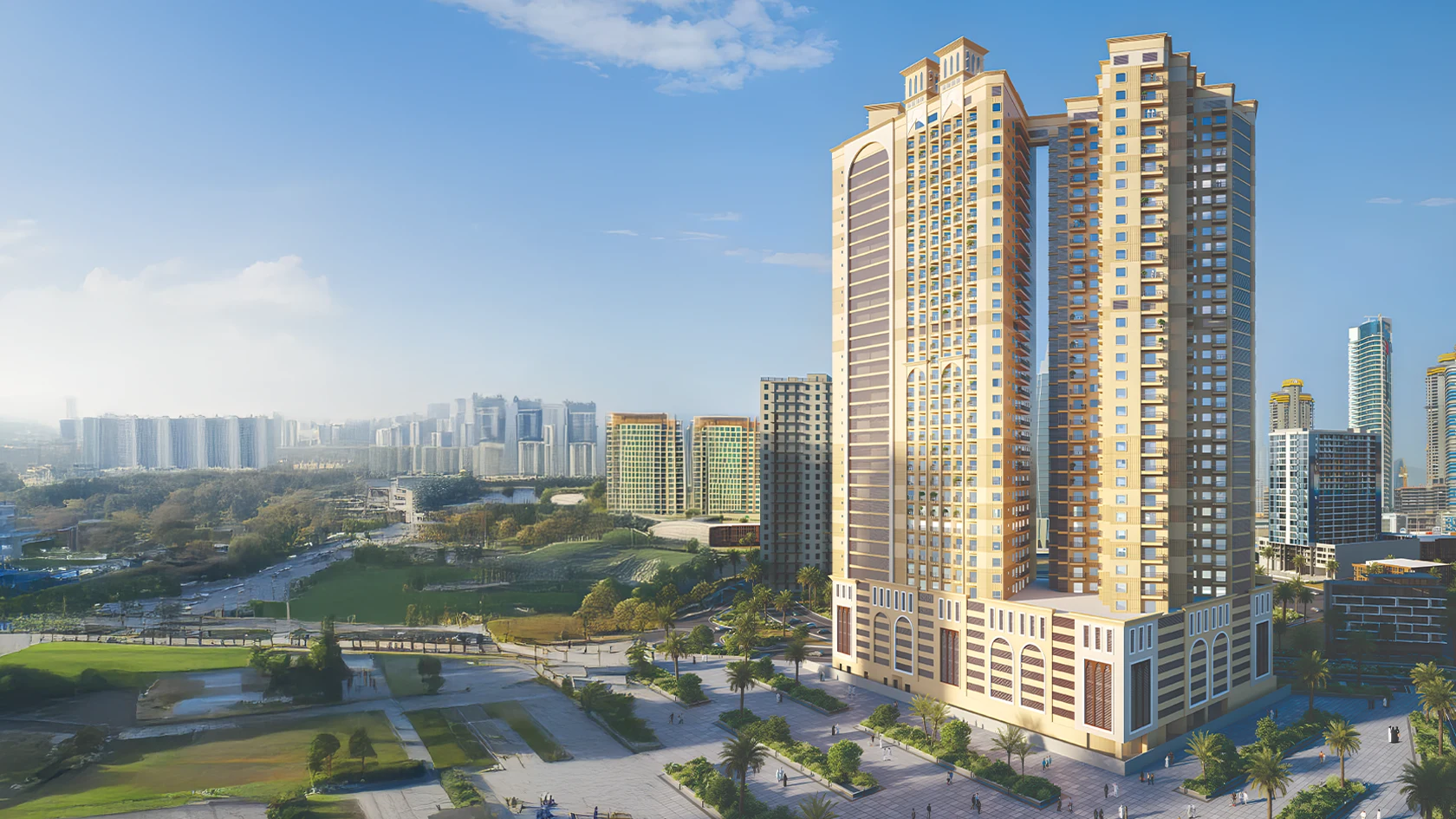
GJ Properties CEO Vision And Market Role
GJ Properties Investments LLC is a UAE-based developer active in Ajman and the Northern Emirates with more than 10 years of operation.
The company has completed 15 projects and has over 25 developments under construction, which shows a consistent project cycle supported by more than 2K customers, according to official company information.
The founder structure follows a corporate ownership model, while the operational direction is led by Ali Jaber as GJ Properties CEO. His background includes technology ventures and startup incubation, which shapes how the company approaches innovation and long-term growth.
The developer was created to build living spaces that focus on human needs rather than only construction volume. Its philosophy centers on human centric architecture, where empathy and research guide layout planning, material selection, and community design.
The vision highlights creating sustainable spaces that improve well being, while the mission aims to become one of the most admired real estate brands in the region through innovation and trust. The delivered portfolio indicates a stable operational scale for a mid-market developer.
Key GJ Properties Projects
Kotook's listing shows that several GJ Properties projects sit inside a clear delivery window between Q4 2027 and Q1 2028, which helps investors estimate holding time with more clarity.
Most launches remain apartment-based with structured payment plans, reflecting how GJ Properties Ajman focuses on steady residential demand rather than short-term speculation.
These off-plan projects by GJ Properties follow fixed payment schedules that reduce uncertainty during construction phases.

Ajman Downtown Ajman pearl tower by GJ properties
Located in Ajman Downtown, this project offers 1 to 2 bed apartments with a launch price from 680K AED. Delivery is scheduled for Q1 2028 with a 10/30/60 payment plan. The central location supports consistent rental activity, which often keeps returns near 6 percent to 7 percent.
Al Humaid City Infinity Tower Residential Apartments
Infinity Tower includes 2 to 3 bed units starting from 1M AED under a 5-36-10-49 plan. Expected delivery falls in Q1 2028. Larger unit sizes aim at end users seeking stable long stay housing instead of short turnover.
Al Amerah Sky Gardens Tower by GJ
Sky Gardens Tower presents 1 bed apartments from 663K AED with a 10-30-60 payment structure and Q1 2028 delivery. Lower entry pricing compared with central Ajman often supports yield levels close to 7 percent or slightly higher.
Al Rashidiya One Barajeel Towers Residential
Barajeel Towers sits in Al Rashidiya 1 with 1 to 2 bed apartments starting at 600K AED. Delivery is expected in Q4 2027 under a 10/90 payment model. The older district attracts tenants who prioritize affordability and transport access.
|
Project name |
Starting price |
Delivery time |
|
Infinity Tower |
1,092,280 AED |
Q1 2028 |
|
Ajman Pearl Tower |
680,968 AED |
Q1 2028 |
|
Sky Gardens Tower |
663,000 AED |
Q1 2028 |
|
Barajeel Towers |
600,000 AED |
Q4 2027 |
Future Of GJ Properties
What we see in the current portfolio is a shift toward creekside projects and family-focused residential towers placed inside existing communities rather than large scale master planning.
The developer does not manage entire districts as a master developer. Instead, it builds inside established locations where road access, daily retail, and commuter movement already exist. This approach reduces planning risk because infrastructure is already active before construction begins.
The design process relies on collaboration with external architects, interior designers, and specialist contractors. We see a practical layout style shaped by human centric planning rather than experimental architecture.
Wellness facilities and shared spaces appear in several developments, which shows a focus on long-stay residents rather than short-term investors.
Financial disclosure remains limited since public revenue figures are not published. Still, a record of more than 10 years of activity with 15 completed projects and over 2000 customers indicates steady operational growth.
The future path seems linked to mid-rise residential towers in Ajman Creek and nearby districts, where structured payment plans and freehold ownership continue to attract buyers looking for stable entry into the UAE market.
Sustainable Direction Of GJ Properties
Information published on the official GJ Properties website explains that the construction sector contributes a large share of global emissions, which pushes the developer to rethink how buildings are planned and built.
The company states that it has begun using renewable energy during construction activity and is studying sustainable materials to reduce long-term environmental impact. This shows that the process has started but has not yet reached full maturity.
We see that sustainable construction is described as a long-term journey rather than an immediate result. The goal is to move toward becoming a leading sustainable builder within the next 10 years. This timeline suggests gradual progress instead of rapid transformation.

GJ Properties vs Other Developers
When we look at GJ Properties together with Sweet Homes Group and Aqaar, three clear differences appear in project scale, development role, and investment structure.
GJ Properties completed about 15 projects in the last decade, which places it in the mid-pipeline category within Ajman.
Sweet Homes Group has been present in Ajman for many years with several residential buildings and housing areas, one of the most known being Ajman Uptown, where villas and townhouses form a large part of the neighborhood. Aqaar works on a smaller scale in comparison, focusing mainly on apartment towers inside existing city districts such as Ajman One Phase 2.
Ajman Uptown grew as a large residential area where Sweet Homes Group took part in shaping a neighborhood made up of villas and townhouses, reaching more than 1500 homes across the site. Aqaar follows a different path.
Most of its work appears inside already built city zones where new apartment towers are added one by one instead of creating an entirely new district.
Many of these projects connect to the wider direction of Ajman’s urban expansion, so their development pace tends to move alongside broader city planning rather than independent large scale community launches.
GJ Properties develops towers inside existing districts rather than controlling full master communities.
This difference shapes investor strategy. Community developers often influence infrastructure growth, while tower focused developers rely on existing neighborhoods.
When we place all three developers on the same level, each follows a different growth logic inside Ajman.
GJ Properties builds steady residential towers with controlled pipeline size. Sweet Homes Group operates larger master-planned neighborhoods. Aqaar focuses on city aligned residential developments with government support.
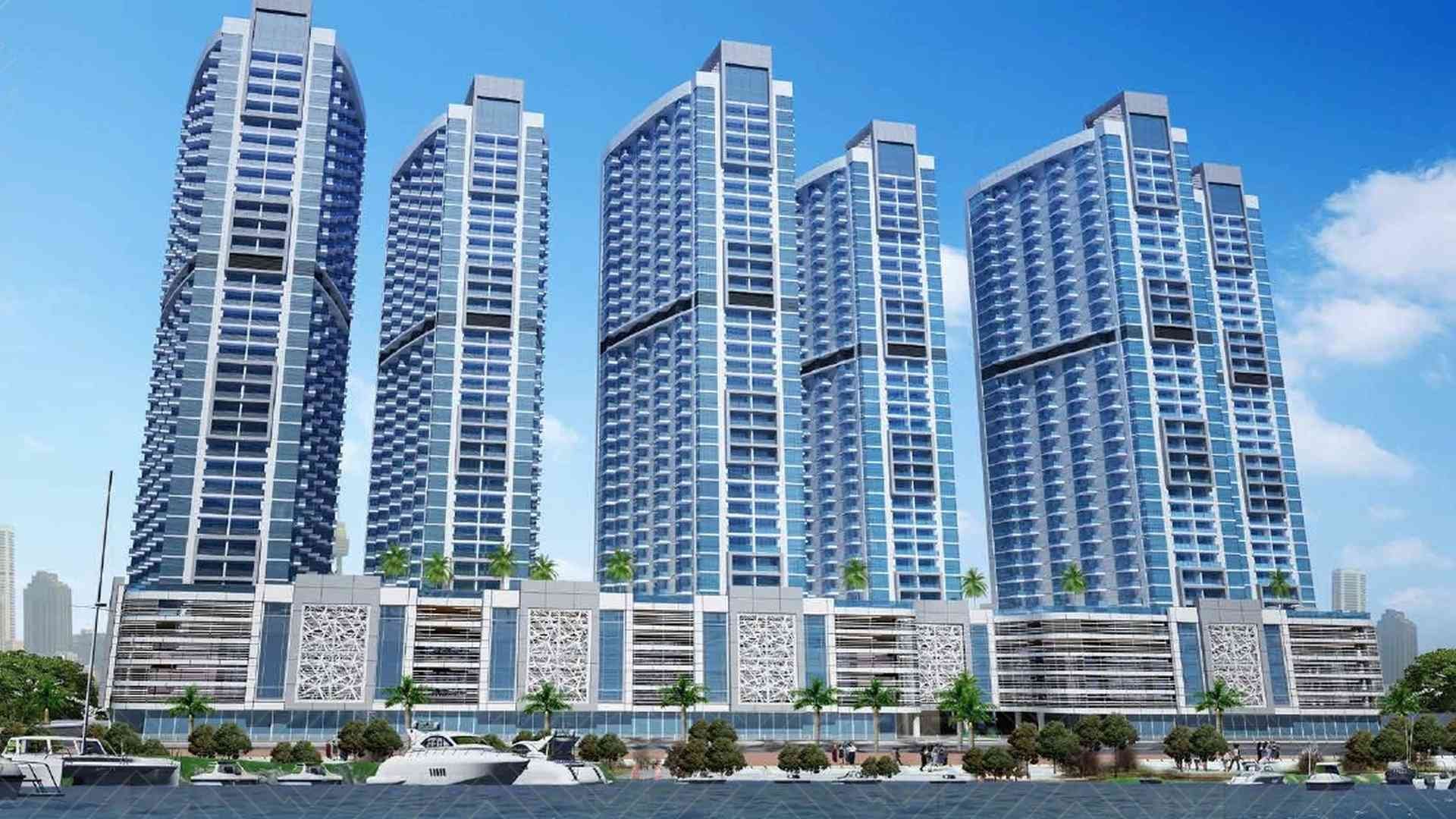
Ajman Creek District Market Conclusion
Across Ajman, several residential towers now follow delivery schedules that fall between Q4 2027 and Q1 2028. This timing shows a clear pattern where projects move forward in measured phases rather than appearing all at once.
Recent listings place starting prices around 600K AED, with larger units crossing the 1M AED level depending on size and district. That range reflects a market aimed at everyday apartment living, not the luxury segment seen in parts of Dubai.
During the past decade, new buildings have been added one tower at a time within established neighborhoods. Instead of launching huge master communities, development has stayed close to areas where roads, retail, and daily services already exist.
Sustainability efforts remain at an early point, with the developer testing renewable energy use during construction and exploring new building materials as part of a longer process expected to unfold over the coming years.
With more than 25 projects moving through different stages, growth appears steady, shaped by real housing demand around Ajman Creek and nearby residential districts.


