Which UAE City is Ideal for Work? Comparison between the Top 5 Major Cities

Table of Contents
Choosing to work in the UAE isn’t just about landing a job. It’s about finding a city that matches your goals and lifestyle. The place you pick will decide how much you take home each month, how far your money goes, the type of visa you can get, and whether renting turns into owning a home. One choice, many outcomes and that choice starts with the city you call home. Should you chase fast-paced careers in Dubai, go for stability in Abu Dhabi, or stretch your budget further in Sharjah or Ajman? And what about Ras Al Khaimah, where life is quieter but growth is real? If you’ve been comparing the best cities for work in USA and now wonder how the UAE stacks up, this guide is your shortcut. We break down the five major cities with real data, local insight, and honest pros and cons; so you know exactly where to land, where to live, and how to build a long-term plan that goes beyond a paycheck.

Best Cities in the UAE for High Salaries and a Luxury Lifestyle
Many professionals move to the UAE with one question in mind: which city offers the best balance between income and everyday life. Here is what the data shows.
Recent studies report that Dubai and Abu Dhabi offer some of the highest average salaries in the region, with Dubai’s average monthly income reaching around 15,800 dirhams. Major finance, tech, and consulting roles in these cities often exceed that figure. While salaries in Dubai may seem appealing at first glance, the cost of living in Dubai is also one of the highest in the region. For any worker or investor, it is not just about earning more. It is about what remains after housing, transportation, and daily expenses.
Dubai: The Commercial Capital with Endless Job Options
Dubai is often the first place people picture when they think about working in the UAE. The city offers a mix of global companies, growing industries, and fast career movement, but it also demands a clear plan for how you live and spend.
More than half of all job listings in the UAE are based in Dubai. Fields like finance, software, construction, and hospitality are constantly hiring, especially in hubs like Business Bay, Internet City, and Dubai Marina. Dubai gives you more doors to knock on, but you also face higher rent and daily costs. It’s a place where income can grow quickly if you choose the right role and manage your lifestyle wisely.
Compared to the best cities for work in USA, Dubai offers zero income tax and international job access, but you must balance ambition with affordability. Knowing the affordable areas in Dubai is not optional; it’s part of surviving the city and enjoying it.
Look for a job that aligns with your skills, then choose neighborhoods like JVC, Al Qusais, or Dubai Silicon Oasis to keep your savings intact while still being close to key work districts.

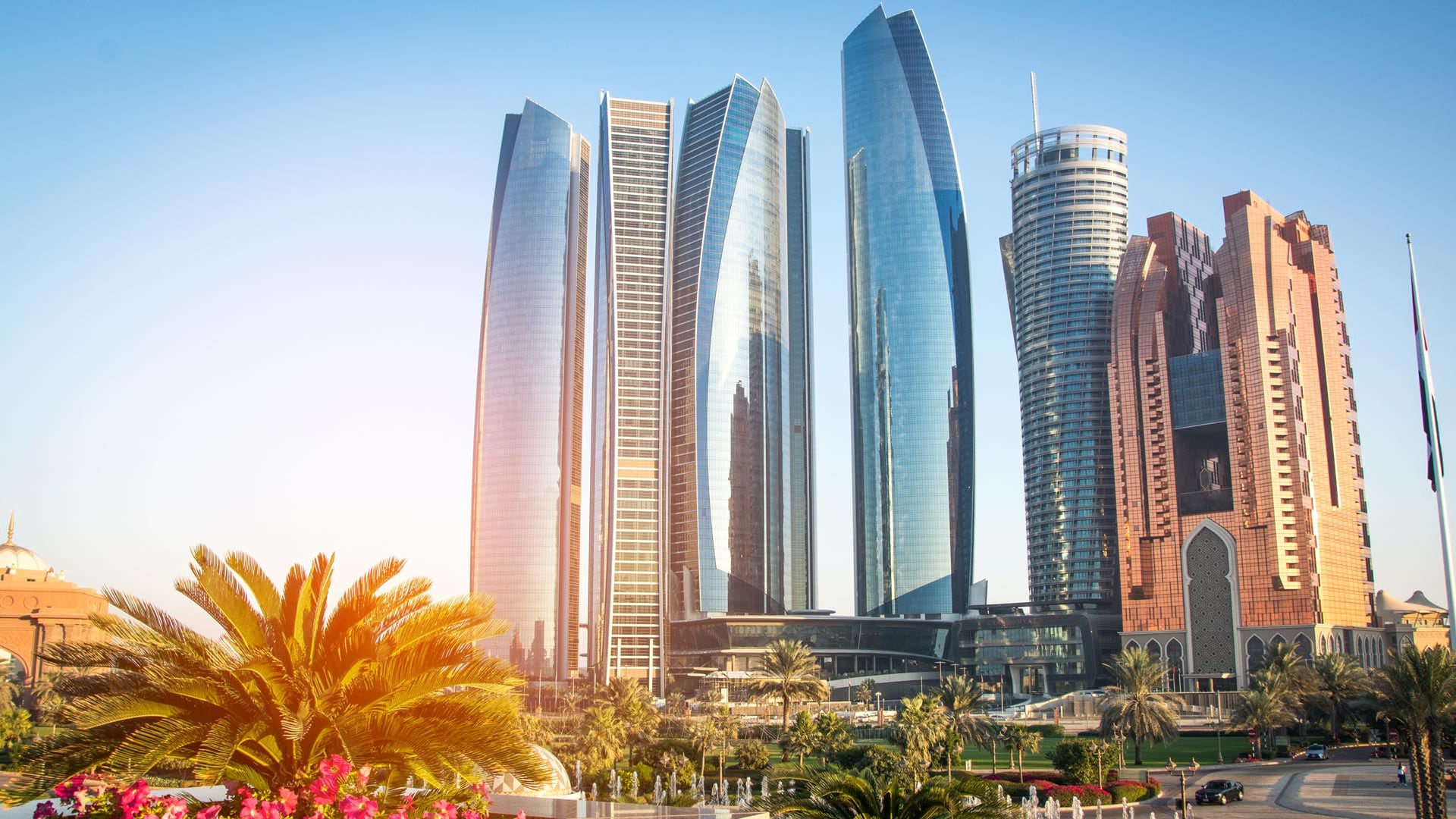
Abu Dhabi: The Capital with a Strong Economy
Abu Dhabi is a natural choice for people who want reliable work without giving up the peace and space they need in their personal lives. It’s the kind of city where work doesn’t control your life, and most plans can actually move forward instead of getting lost in daily stress.
Surveys from recent years show that many mid-level specialists and senior employees earn between 15,000 to 25,000 dirhams per month in Abu Dhabi. The city’s strongest employers are in energy, banking, healthcare, education, and the public sector. Abu Dhabi works at a different speed than Dubai. Jobs here tend to be more stable, and people often stay longer because the career paths are clearer. Many employers also offer real-life benefits like housing allowance, family medical cover, or school support, which can make both work and home life feel more secure.
If you're searching for the best cities for work in UAE and want stability over competition, Abu Dhabi deserves serious attention. It’s more likely to offer long-term contracts and benefits that actually support your lifestyle. Neighborhoods like Al Reem Island or Khalifa City offer good housing options close to key workplaces and schools.
Sharjah: Low Cost of Living with an Expanding Job Market
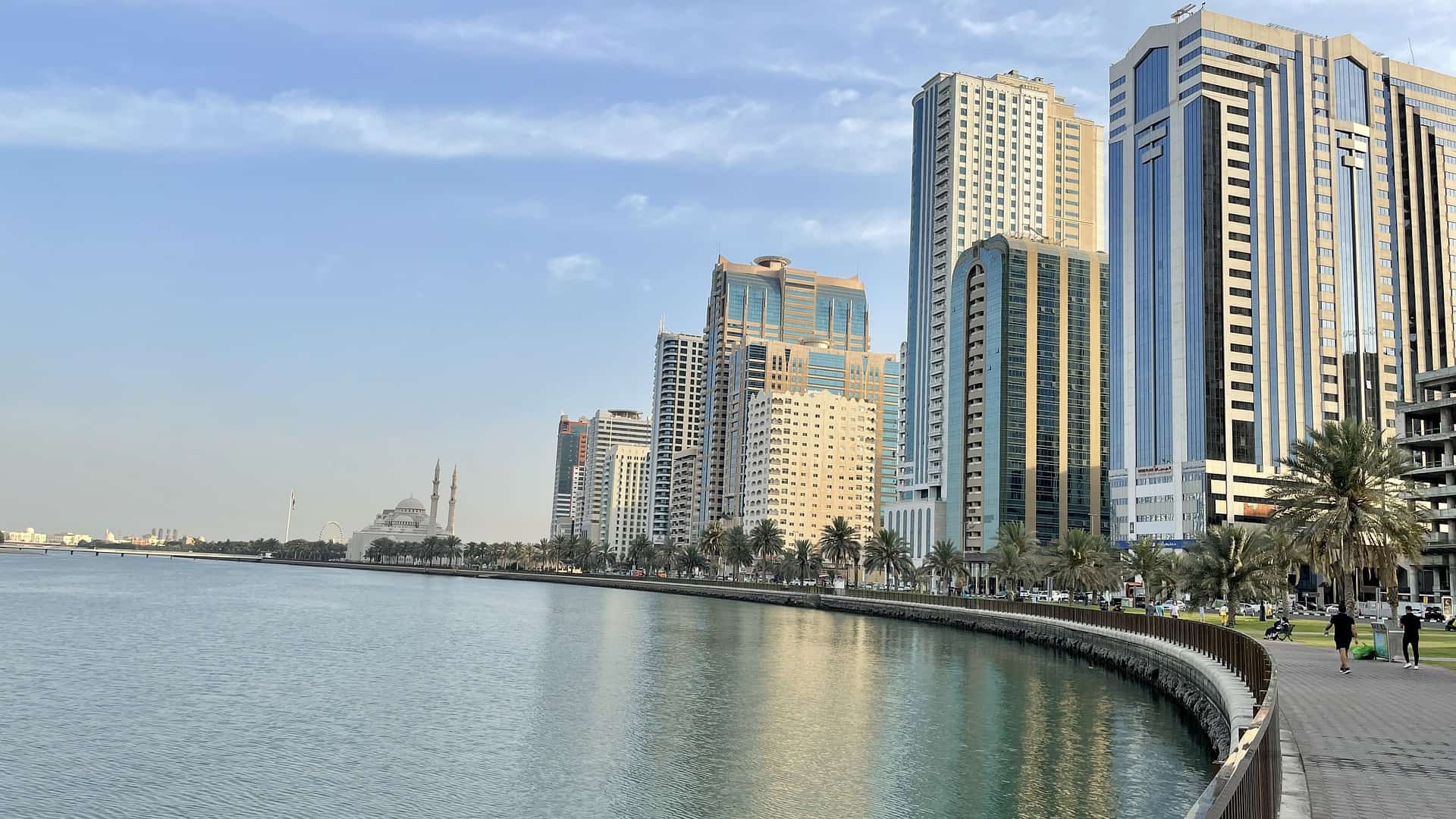
Sharjah appeals to people who want to live well without spending most of their salary on rent. You stay close to major job hubs, but your monthly expenses feel lighter.
Renting a one-bedroom apartment in Sharjah usually costs between 3,500 and 5,000 dirhams a month. In Dubai, similar apartments often start from 5,000 dirhams and go much higher in busy areas. This price difference is why many people live in Sharjah and work in Dubai or nearby emirates. At the same time, Sharjah itself is becoming more active in fields like education, logistics, and creative industries, based on recent reports on UAE cities for work. Sharjah offers a mix of lower living costs and access to growing job markets, which helps people save or start investing earlier. For young professionals or families trying to reduce financial pressure, Sharjah creates room to build savings without stepping away from career opportunities.
If your job is in Dubai or nearby and you're looking to ease your monthly costs, consider living in Sharjah. Neighborhoods like Al Nahda, Al Khan, or Al Majaz can give you more space and comfort while keeping your budget under control.
Ajman: A Small City with Big Potential
Ajman is the kind of place people consider when they want to live affordably and still stay connected to the UAE’s main job regions. It is quieter than Dubai or Abu Dhabi, but that is exactly what makes it appealing for some.
Rent for a one-bedroom apartment in Ajman often ranges from 2,500 to 4,000 dirhams per month, which is lower than both Sharjah and Dubai. Ajman Free Zone and industrial areas have also been adding jobs in logistics, trading, and manufacturing. Reports on UAE job market trends show steady hiring from small and medium-sized businesses in Ajman, focused on support roles, operations, and production.
Ajman gives people access to the wider job market without high living expenses. It is especially attractive for freelancers, remote workers, or those who work in nearby emirates and want to save more. For early-career workers or families trying to avoid big-city rent, Ajman offers a realistic way to live comfortably while keeping work options open.
If you need a home base that costs less but still connects you to Dubai, Sharjah, or RAK, look at areas like Al Nuaimiya or Ajman Corniche for a mix of affordability and improving infrastructure.

Ras Al Khaimah: An Emerging Professionals’ Hub
Ras Al Khaimah is not the first name most people think of when they plan to work in the UAE, but that’s changing. The city is growing in its own way, especially through new businesses and sustainable development projects.
Over the past few years, Ras Al Khaimah has seen a rise in jobs in tourism, logistics, and manufacturing. The free zone here now hosts over 18,000 companies, and new projects like Al Marjan Island are attracting more employers. It is now listed among the developing UAE cities for work, especially for people looking for mid-range and technical jobs. RAK attracts people who want career growth with lower living pressure and more space to live life outside work. If you prefer being part of a growing market rather than diving into big-city competition, Ras Al Khaimah can feel like a smart compromise.
Explore neighborhoods like Al Hamra Village or Mina Al Arab if your industry aligns with logistics, tourism, or industrial roles, and you want more for your rent money and still stay connected to major business centers.

|
City |
Work Style |
Living Cost |
|
Dubai |
Fast-paced jobs |
High rent zone |
|
Abu Dhabi |
Stable contracts |
Moderate cost |
|
Sharjah |
Growing sectors |
Budget-friendly |
|
Ajman |
Small industries |
Low expenses |
|
Ras Al Khaimah |
Emerging hub |
Affordable living |
Benefits of Working in the United Arab Emirates
The UAE has become a top choice for professionals who want better earnings and a clearer path to long-term growth.
With an unemployment rate close to 2 percent and a tax-free salary system, workers in many UAE cities for work are able to save more and move up faster than in other countries. The mix of international companies, modern workplaces, and no income tax makes the UAE ideal for building both career and financial stability.
To take full advantage, it’s important to know how residency and work permits function. The types of Dubai visas can shape your options for work, family, and housing.
Choose a city and job that match your skills, then use the right visa to make the most of your time in the UAE, both professionally and financially.
Requirements for Choosing the Best Cities to Work in the UAE
Picking a city in the UAE isn’t just about where you get hired. It’s about how much of your paycheck you keep and how your life feels day to day. Here’s what to look at before you decide:
-
Salaries change depending on industry and city
-
Dubai is popular for tech, real estate, and finance
-
Abu Dhabi has strong public sector and energy roles
-
Living costs can differ by several thousand dirhams a month from one city to another
Like comparing the best cities for work in USA, you need to weigh income against expenses, not just chase a job title. A bigger salary doesn’t always mean better living if rent and transport take most of it. Before saying yes to a job, compare real costs, ask about benefits, and choose a city that fits both your career path and financial goals.

Final Words
Choosing where to work in the UAE can change your life, not just your LinkedIn title. Each city offers its own mix of opportunity, cost, and lifestyle.
Reports show that Dubai, Abu Dhabi, Sharjah, Ajman, and RAK each play a different role in the list of best cities for work in UAE. The right match depends on what you value more: salary, savings, stability, or growth. A rushed move can lead to burnout or financial stress if city choice doesn’t align with your priorities. Compare your job offer with real living costs, visa rules, and long-term goals before picking your city. Let data guide the decision, not pressure.
Tags:
Frequently asked questions
If you're looking for fast career movement, Dubai is the top choice thanks to its diverse industries and global companies.


