Dubai’s Next Urban Chapter 2040

Table of Contents
Dubai has always moved with intention, even when the pace of growth made it look spontaneous from the outside. New districts appear, skylines shift, and yet behind every change there is usually a longer narrative guiding where the city wants to go next.
The conversation around the Dubai 2033 Real Estate Sector Strategy and the Dubai 2040 Urban Master Plan future vision feels different because it steps away from architecture alone and starts talking about everyday life, how people move through the city, how neighborhoods connect, and how long-term value is quietly built over time.
If you speak with investors who recently entered the market, many admit the same confusion. There is no shortage of projects or announcements, but separating real direction from short-term noise is not easy.
More than 226,000 transactions worth around AED 761 billion were recorded in 2024. On paper, those numbers show momentum. In reality, they raise a more interesting question.

Two Strategic Timelines Shaping Dubai’s Urban Future
At first glance, the 2033 and 2040 visions might sound like different versions of the same idea, but they actually work on two very different layers of Dubai’s transformation.
The Dubai Real Estate Sector Strategy 2033 focuses on how the property market itself evolves. According to the Dubai Land Department, the strategy aims to increase real estate transactions by about 70 percent, raise the sector’s contribution to GDP to around AED 73 billion, and grow overall market value toward AED 1 trillion while supporting a homeownership rate of roughly 33 percent.
These targets show a clear intention to strengthen transparency, attract international investment, and keep speculation under control rather than simply accelerating growth.
The Dubai 2040 Urban Master Plan moves the conversation away from pure market growth and brings it back to everyday living. Instead of asking how many projects will be built, it asks how people will actually experience the city as it grows.
Government updates explain that the plan is meant to guide long-term development while improving quality of life and preparing for a population that could reach around 5.8 million residents by 2040.
Where Growth Changes Location
Dubai is entering a phase where location is no longer defined only by famous districts. As the city plans for a larger population under the Dubai 2040 master plan impact on property, attention is slowly shifting toward areas that offer daily convenience rather than just prestige.
Places like Dubai South are often part of that conversation. Instead of chasing skyline views, many buyers now look at how a neighborhood actually works for everyday routines.
-
Market planning includes a clear speculation limit real estate approach, with property speculation not exceeding 20% as part of long-term stability goals.
-
New housing affordability initiatives suggest a wider range of communities designed for residents, not only investors.
-
Access, walkability, and nearby services are becoming stronger decision factors than traditional location labels.

Dubai 2040 Five Urban Centers
The goal of the Dubai 2040 five urban centers is simple. Bring daily life closer together so people spend less time commuting and more time actually living in their neighborhoods.
When you look at the plan from a buyer’s perspective, it changes how location is evaluated. Being near services, workspaces, and public areas may matter more than being close to a single landmark.
The official 5 Urban Centers identified in the master plan include:
-
Deira and Bur Dubai
-
Downtown and Business Bay
-
Dubai Marina and JBR
-
Expo 2020 Centre (Dubai South)
-
Dubai Silicon Oasis
For anyone trying to understand future demand, these hubs act like anchors. They show where infrastructure, lifestyle upgrades, and long-term urban activity are expected to concentrate.

Mobility, Walkability, and the Economics of Time
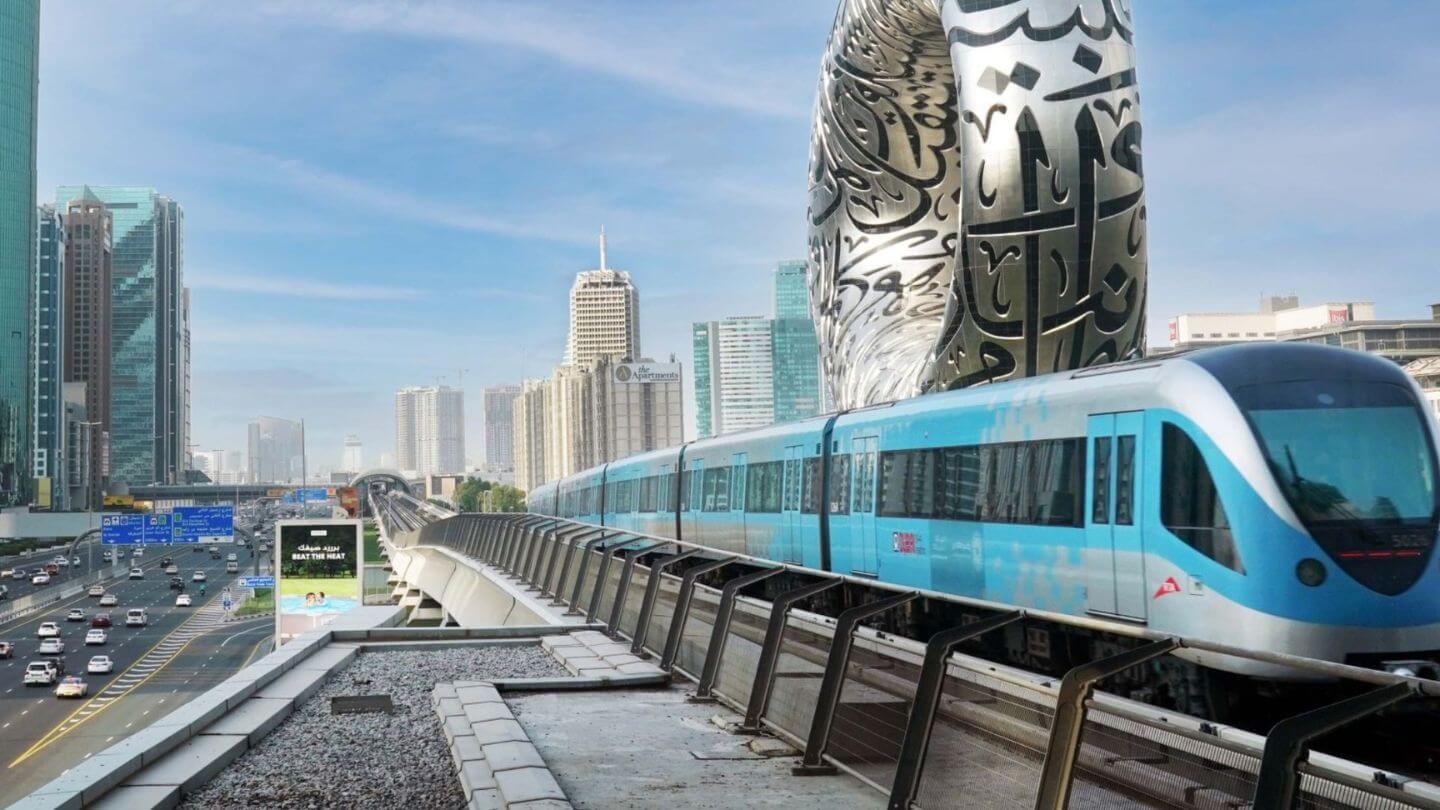
When people talk about the Dubai 2040 Urban Master Plan, the focus is often on new districts or large developments. Yet one of the quieter shifts lies in how movement across the city is being rethought.
Policies connected to the Dubai Quality of Life Strategy 2033 place growing attention on walkability and soft mobility, encouraging neighborhoods where daily errands can happen without constant car use.
This idea also connects with transit-oriented development (TOD), where homes, workplaces, and public transport are planned together rather than scattered apart. From a property perspective, this changes how value is perceived.
The Dubai 2033 real estate strategy KPIs emphasize long-term livability, suggesting that time saved in daily travel may become just as important as square footage when buyers compare locations.
Strategy 2033 Market Outlook
The Dubai Real Estate Sector Strategy 2033 shows that the conversation around property is slowly changing. Instead of focusing only on volume and growth, recent updates from the Dubai Land Department point toward a more structured way of running the market.
There is a stronger emphasis on clearer reporting, better use of data, and systems that make transactions easier to understand for everyone involved. The goal is not simply to make the market busier; it is to make it easier to follow.
Official targets include keeping property speculation not exceeding 20 percent, which signals an effort to maintain balance between investment growth and long-term market stability.
This direction connects with the wider goals outlined in the Dubai 2040 Urban Master Plan, where sustainable urban expansion and improved quality of life are presented as central priorities for future development.
The push toward digital systems and clearer reporting also supports the ambitions of the Dubai Quality of Life Strategy 2033, which highlights efficient services and smarter urban management as part of everyday living standards.
Dubai 2040 Outcomes Changing Everyday Life
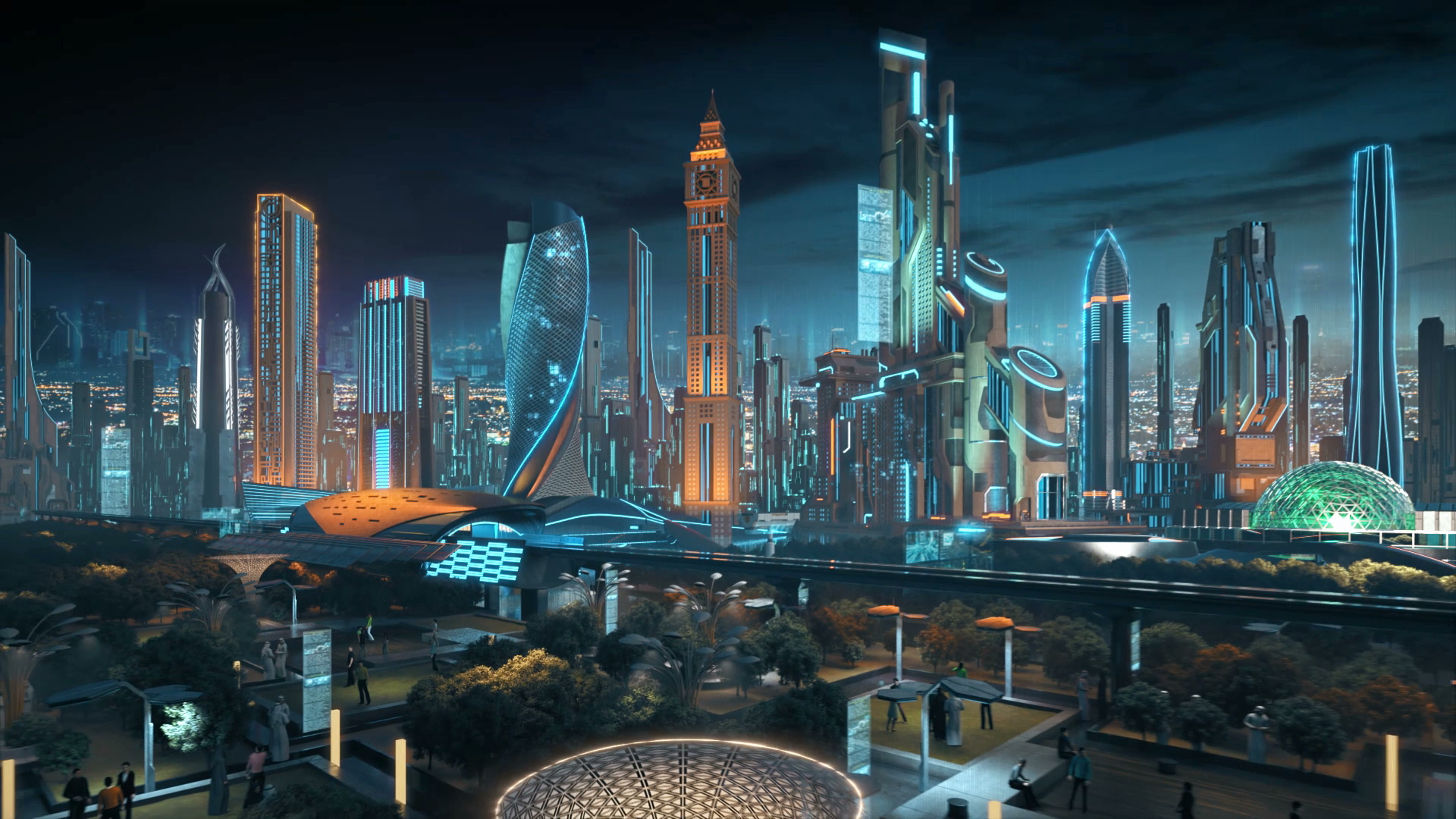
The vision behind the Dubai 2040 Urban Master Plan is not limited to new buildings; it focuses on how the city will feel day to day.
The plan talks about expanding green and recreational spaces, adding longer public beaches, and creating green corridors that make it easier to move between work, home, and services without long detours.
There is also a clear push toward sustainable mobility, encouraging walking, cycling, and smoother public transport connections.
Tourism and commercial land areas are expected to grow, while education and healthcare zones expand to support future residents.
Another important idea is the rise of integrated communities, where housing, leisure, and everyday services exist within the same environment, shaping a city that feels more connected rather than spread out.
|
Green recreational spaces 2x |
Nature reserves 60% area |
Walking, cycling, and sustainable mobility |
|
Public beaches +400% length |
Tourism land +134% growth |
Commercial land 168 sq km |
|
Education healthcare +25% land |
Integrated sustainable housing |
Green corridors connect districts |
Conclusion
Looking at the Dubai 2033 and 2040 Urban Master Plan future vision, the bigger picture becomes clearer. The city is not only expanding; it is reorganizing how people live, work, and move every day.
Areas such as Dubai South show how new urban centers may grow around transport links, integrated communities, and long-term planning rather than short-term trends. For buyers and investors, the real takeaway is simple.
Understanding where infrastructure, green spaces, and services are heading often matters more than chasing headlines. When you read the master plan as a living roadmap instead of a distant policy, the future of Dubai feels less uncertain and far more intentional.
Tags:
Frequently asked questions
Dubai 2040 Urban Master Plan is a long-term framework guiding sustainable growth, urban development, infrastructure planning, and improving residents’ overall quality of life.


