Why Freehold Property in Dubai Attracts Long Term Investors

Table of Contents
Buying a freehold property in Dubai is not just a financial move but a way to fully own a home in one of the fastest growing real estate markets in the world. In freehold Dubai areas, the property is registered under the buyer’s name at the Dubai Land Department, allowing full control to sell, rent, or transfer it at any time; the same rights given to UAE nationals.
Popular freehold zones such as Downtown Dubai, Dubai Marina, Palm Jumeirah, Jumeirah Village Circle, and newer growth areas like Dubai South have become top choices for international buyers. According to Dubai Land Department data, freehold transactions made up over 58 percent of all Dubai property sales in 2024, with average price growth between 13 and 15 percent across major districts.
This type of ownership appeals most to buyers who want long term security, capital appreciation, and full legal ownership rather than temporary leasing.
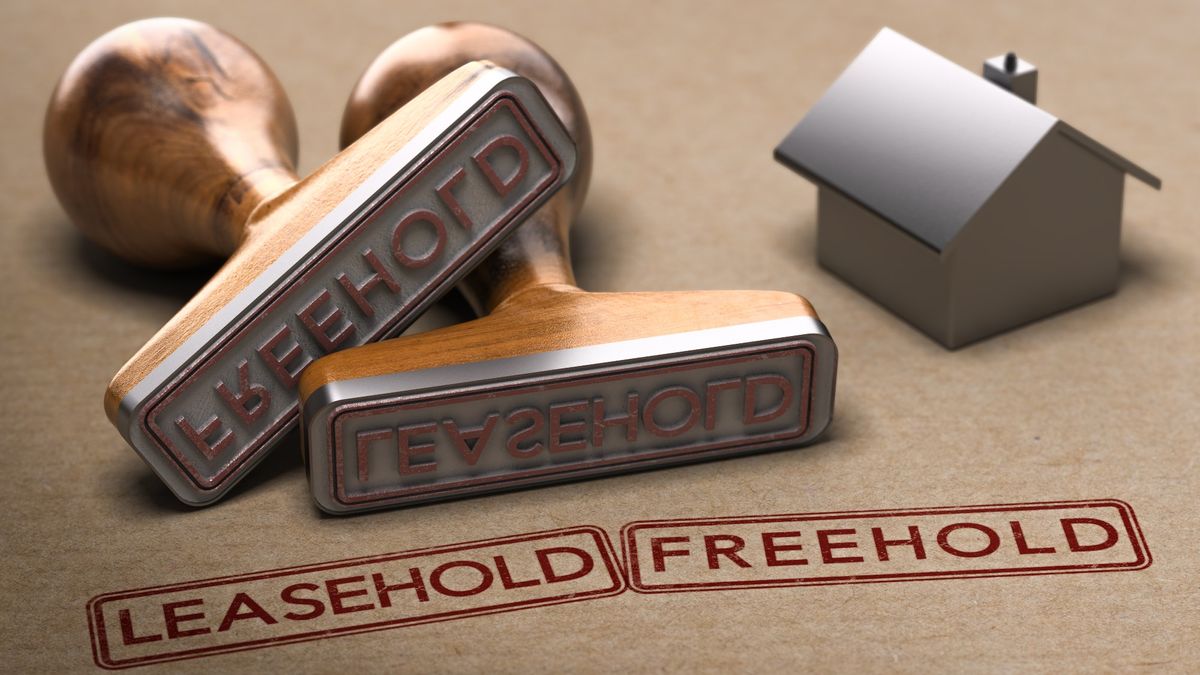
Freehold Ownership in Dubai for Foreign Buyers
In Dubai, when you buy a freehold property in Dubai, the home is legally yours with no time limit. Your name is registered on the title deed by the Dubai Land Department, and you are free to keep it, sell it, rent it out, or pass it on to your family whenever you choose.
Only specific parts of Dubai are approved for foreign ownership. Areas such as Downtown Dubai and Dubai Marina are already well known for freehold purchases, while newer locations like Dubai South and Jumeirah Village Circle are also attracting international buyers looking for long term potential. In every free hold dubai zone, foreigners receive the same legal ownership rights as local citizens.
For many buyers, this type of ownership is attractive because it offers long term security and full control over the property instead of a temporary arrangement like leasehold.
Freehold vs Leasehold vs Free Zone Ownership
Buying property in Dubai means making a choice not just of location but of the legal structure. When we compare freehold property in Dubai with leasehold and free-zone options we get a clearer view for investment decisions.
What Freehold Ownership Means
In a freehold Dubai scenario you own both the property and the land permanently. The title deed issued by the Dubai Land Department (DLD) stays under your name and you can sell, rent or transfer without term-limits. Foreign nationals are allowed to purchase in designated Dubai freehold areas and receive the same ownership rights as UAE nationals.
Freehold zones continue to expand. For example the DLD approved conversion of 128 plots along Sheikh Zayed Road and 329 plots in Al Jaddaf to freehold status.
How Leasehold Differs
Under leasehold, you have the right to use the property for a defined period, commonly 30 to 99 years, but you don’t own the land beneath it. After the term expires ownership returns to the freeholder unless renewed.
Leasehold often comes with lower upfront cost but also less control and potential depreciation risk as the lease term shortens.
Where Free Zone Fits In
Free Zone ownership refers primarily to business ownership rather than direct residential property rights. Companies in free zones may enjoy 100 % foreign ownership, special tax conditions and benefits. However this structure does not grant the same full property ownership rights enjoyed in freehold Dubai residential cases.
Key Legal and Investment Facts
-
All property transactions must be registered with DLD; freehold and leasehold are recognised under UAE real estate laws.
-
Freehold areas tend to offer higher rental yields in Dubai, reported between 6 % and 8 %, with some communities surpassing 8.1 %.
-
Foreign nationals held approximately 43 % of the total value of residential property in Dubai in the years 2020-2022.
-
Freehold ownership qualifies more easily for investor visa programs in the UAE when certain property value thresholds are met.
|
Ownership Type |
Ownership Rights |
Land Included? |
Typical Investors |
|
Freehold |
Perpetual full rights to sell, rent, transfer |
Yes |
Long-term investment, full control |
|
Leasehold |
Temporary rights (30-99 years) |
No |
Short to medium-term use, lower budget |
|
Free Zone |
Corporate ownership benefits, not full property rights |
Variable |
Business use, trade entry |
Best Freehold Areas in Dubai for Investment
When we look at freehold property in Dubai, choosing the right location matters. For investors planning to buy freehold property in Dubai with a focus on steady returns and future price growth, a few areas are emerging as stronger options for 2025. Below we examine key areas, their strength as freehold apartments in Dubai or land opportunities, and why they appear in the list of freehold property in Dubai worth considering.
Downtown Dubai
This area remains a flagship zone for freehold Dubai properties. High-end apartments and serviced residences dominate. Recent data suggests rental yields of around 5.5% in 2025, and capital appreciation consistently in the low double digits. The prestige and central location give it strong investor appeal.
Jumeirah Village Circle (JVC)
JVC has emerged as a high-ROI neighbourhood among freehold land in Dubai or apartments. Latest reports show average rental yields between 7% and 9% for apartments in JVC. Entry prices are often more affordable compared with premium districts, making it suitable for investors focusing on yield rather than only luxury branding.
Dubai Marina
Dubai Marina continues to attract investors thanks to its waterfront setting, walkable lifestyle and constant tenant demand. Rental returns for studio and one bedroom units typically range between six and eight percent, making it one of the more reliable freehold property areas in Dubai for stable income. As part of a mature market, capital appreciation may be slower than emerging areas but risk is also lower.
Dubai South
An example of an emerging freehold Dubai zone offering long-term growth. According to market coverage, infrastructure projects and airport expansions are driving value here. While yields currently might be modest compared with JVC, land or apartments here hold strong potential for appreciation over the medium term.
International City / Arjan
These zones appear in the rankings of highest yield areas for 2025, with yields reported in the 6% to 9% range for property for sale in Dubai freehold categories. They may attract investors with tighter budgets or those interested in value-entry points rather than luxury premiums.
Key Trends for 2025
-
Emerging freehold areas are being added or upgraded, expanding the list of freehold property areas in Dubai.
-
Infrastructure and transport links are boosting value in growth districts, increasing medium-term appreciation potential.
-
Sustained yield performance remains central: selecting locations where tenant demand is steady will matter as much as price growth.
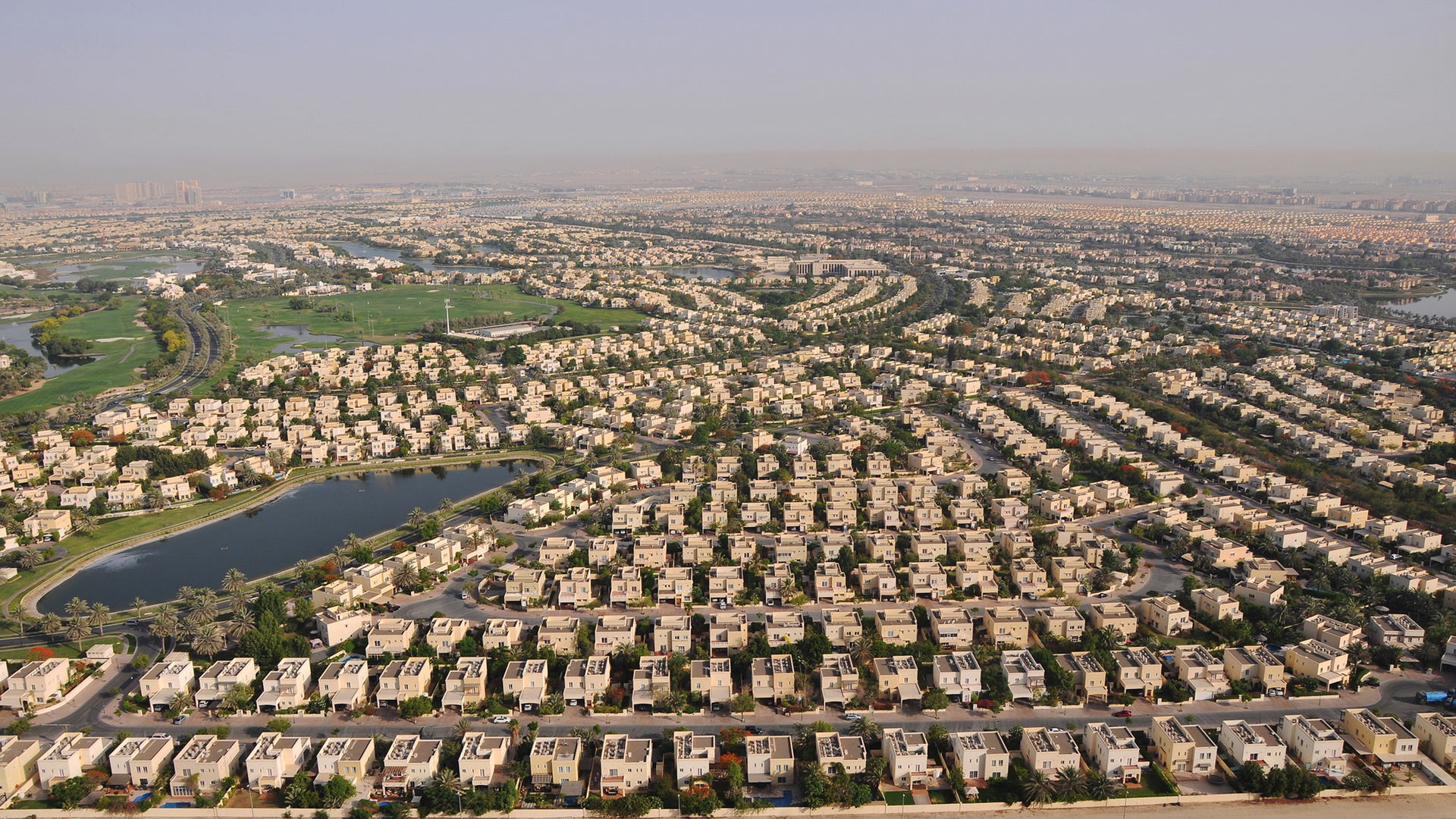
Investment Returns and Average Prices Across Dubai’s Freehold
Freehold prices and returns in Dubai vary depending on the maturity of the community. Established zones offer price stability and consistent occupancy, while growing districts provide stronger upside for capital appreciation and rental income. Investors in 2025 are looking at both yield and long-term livability rather than only luxury branding.
Current ROI and Pricing Trends
In premium locations like Downtown Dubai and Palm Jumeirah, property values are among the highest in the city, often above AED 2,700 per square foot for apartments and even higher for villas. Rental yields in these areas typically fall between 4.5 and 5.5 percent, driven more by long-term value preservation than aggressive returns.
Areas like Dubai Marina and Dubai Hills Estate show a balance of both. Prices generally range from AED 1,600 to 2,300 per square foot, while rental yields often stabilise around 5.5 to 6.5 percent for well-located units.
Emerging investment zones such as Jumeirah Village Circle, Arjan and Dubai South offer lower entry costs and stronger rental performance. Prices in these areas are generally between AED 900 and 1,400 per square foot. Rental yields frequently exceed 7 percent and may approach 8 percent in certain sub-communities with strong tenant demand.
|
Area / Community |
Avg Price (2025 est.) |
Rental Yield (Approx.) |
|
Downtown Dubai |
AED 2,700 – 3,200 psf |
4.5% – 5.5% |
|
Dubai Marina |
AED 1,800 – 2,300 psf |
5.5% – 6.5% |
|
Palm Jumeirah |
AED 3,000 – 4,500 psf |
4% – 5% |
|
Dubai Hills Estate |
AED 1,500 – 2,200 psf |
5% – 6% |
|
Jumeirah Village Circle |
AED 900 – 1,300 psf |
7% – 8% |
|
Dubai South / Arjan |
AED 900 – 1,400 psf |
6.5% – 8% |
Legal Considerations and Risks Foreign Buyers Should Be Aware Of
Buying property in Dubai is a secure process when done correctly, but there are legal details every foreign buyer should understand before entering a deal.
Payments Must Go Through Escrow
For off-plan projects, every payment is legally required to pass through a regulated escrow account. This prevents developers from using buyer funds improperly and protects the purchase if construction is delayed or cancelled.
Freehold Zones Are Limited and Official
Freehold ownership is only allowed in specific, government-approved areas. Even if a seller claims otherwise, foreign buyers cannot legally own property outside these registered zones. This applies to freehold land in Dubai as much as it does to apartments.
Read the Contract Before the Payment Plan
Many developers offer attractive payment structures, but late fees, transfer limits or ownership conditions may apply. These should be fully understood before agreeing to buy freehold property in Dubai, especially in joint or family ownership cases.

Property Ownership and Visa Rights Are Separate
Buying property alone does not automatically qualify someone for a long-term residency visa. The government sets a minimum property value to be eligible, so expectations should be aligned early.
Being aware of these legal points early allows buyers to move confidently toward the best freehold property in Dubai, with a clear understanding of their rights and without unexpected complications later in the process.
How Freehold Ownership Can Lead to a UAE Golden Visa
If the freehold property you purchase in Dubai reaches the minimum value required by the government, you may be eligible for the UAE Golden Visa.
At the moment, the minimum value is AED 2 million. This amount can come from one property or several, as long as they are all registered under the same buyer’s name. Both ready and off-plan units are accepted, provided they are officially registered with the Dubai Land Department and are not under a high mortgage balance.
The Golden Visa provides residency for up to ten years and can include the investor’s spouse and children. It is renewable as long as the ownership remains valid and there is no need for a local sponsor.
Those who want a full breakdown of requirements, processing time and eligible property types can continue reading our dedicated guide to the UAE Golden Visa for property investors.
Dubai Freehold Outlook to 2027
The freehold market in Dubai is still growing but entering a more selective phase. Prices have risen sharply over the past two years, and demand remains high; however, the pace is beginning to normalize as more supply enters the market.
Current Direction of the Market
-
Transaction volume in early 2025 reached record highs, showing strong investor interest
-
Rental growth has started to cool after very aggressive increases in 2023–2024
-
A large wave of new freehold supply is planned, especially from 2026 onward
Key Market Signals for 2025–2027
|
Market Factor |
Outlook |
|
New Supply |
High delivery volumes expected, especially in JVC, Dubai South and Dubailand |
|
Rental Yields |
Starting to stabilize after strong growth in recent years |
|
Prime Locations |
Likely to retain value with limited new land |
|
Growth Zones |
Higher upside but slower absorption possible |
Timing Insight
It is still a suitable time to enter the market; but approach matters more than timing. Established communities are safer for capital protection, while emerging areas offer higher long-term potential for investors willing to commit to a multi-year horizon.
Looking to buy freehold property in Dubai with clarity and zero commission?
Kotook can give you a personal, data-based analysis before you decide. Call us now!
Frequently asked questions
It means foreigners can legally own the property and the land permanently, with the title registered under their own name.


